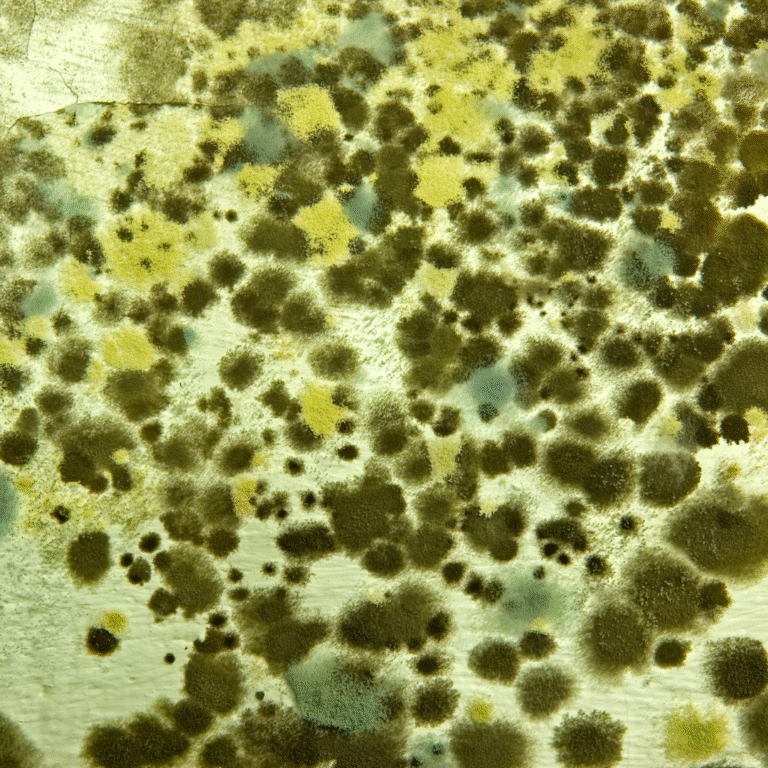
Have you ever noticed that you feel worse at home—but better when you leave? Headaches fade, congestion clears, energy returns… only to disappear again once you’re back inside.
This experience is often referred to as Sick House Syndrome—a situation where a home’s indoor environment negatively impacts the health and well-being of the people living in it. And one of the most common (and overlooked) contributors is mold.
What Is Sick House Syndrome?
Sick House Syndrome occurs when indoor environmental factors lead to chronic or recurring health symptoms. Unlike an acute illness, symptoms often develop gradually and can be difficult to trace back to a single cause.
Common symptoms include:
- Persistent fatigue
- Headaches or migraines
- Sinus congestion or post-nasal drip
- Coughing, sneezing, or throat irritation
- Brain fog or difficulty concentrating
- Worsening asthma or allergies
- Skin irritation
What makes Sick House Syndrome tricky is that these symptoms often improve when someone leaves the home—on vacation, at work, or even running errands—only to return once they’re back inside.

Why Mold Plays a Major Role
Mold thrives in environments with moisture, limited airflow, and organic materials—all of which are common in homes. Even well-maintained houses can develop mold due to:
- Roof or plumbing leaks
- Flooding or water intrusion
- High indoor humidity
- Condensation in HVAC systems
- Poor ventilation in bathrooms or basements
Once mold is present, it releases spores and, in some cases, mycotoxins into the air. These particles can circulate throughout the home and be inhaled or absorbed over time.
How Mold Contributes to Sick House Syndrome
Mold doesn’t need to be visible to affect health. In fact, some of the most problematic growth happens behind walls, under flooring, or inside HVAC systems.
Mold exposure may contribute to:
- Chronic inflammation
- Immune system stress
- Respiratory irritation
- Neurological symptoms like brain fog or dizziness
For individuals with compromised immune systems, asthma, autoimmune conditions, or chemical sensitivities, the effects may be more pronounced—but even healthy individuals can be impacted with long-term exposure.
Why Symptoms Are Often Missed or Misdiagnosed
Because Sick House Syndrome symptoms overlap with many common conditions, people often treat the symptoms without addressing the environment.
This can lead to:
- Repeated doctor visits without clear answers
- Temporary relief that never lasts
- Growing frustration and confusion
Without assessing the home itself, the root cause may remain hidden.
What to Do If You Suspect a Sick House
1. Pay Attention to Patterns
Do symptoms worsen at home and improve elsewhere? That’s an important clue.
2. Address Moisture First
Mold can’t grow without moisture. Leaks, humidity, and water damage should never be ignored.
3. Don’t Rely on Guesswork
Not all mold is visible, and not all testing methods provide meaningful insight.
4. Get Expert Guidance
Understanding what is present and how it may be impacting your space is key to making informed decisions.
How Healthy Spaces Consulting Can Help
Bridget at Healthy Spaces Consulting helps homeowners and renters uncover hidden environmental contributors to health concerns—without fear-based messaging or unnecessary remediation.
She offers:
- Personalized consultations to review symptoms, history, and concerns
- Mold test kits with expert interpretation so results actually make sense
This approach allows you to move forward with clarity, confidence, and practical next steps.
Visit healthyspacesconsulting.com to learn more and take the first step toward a healthier home.
Bruce and I want to thank you for the great care and attention you provided during the Healthy Home Inspection yesterday. You are generous with your knowledge and give 110% to your work, which is truly a blessing!
Elisabeth & Bruce, homeowners