Understanding the Stack Effect: Why Your Home Feels Drafty (and Dry) in Winter
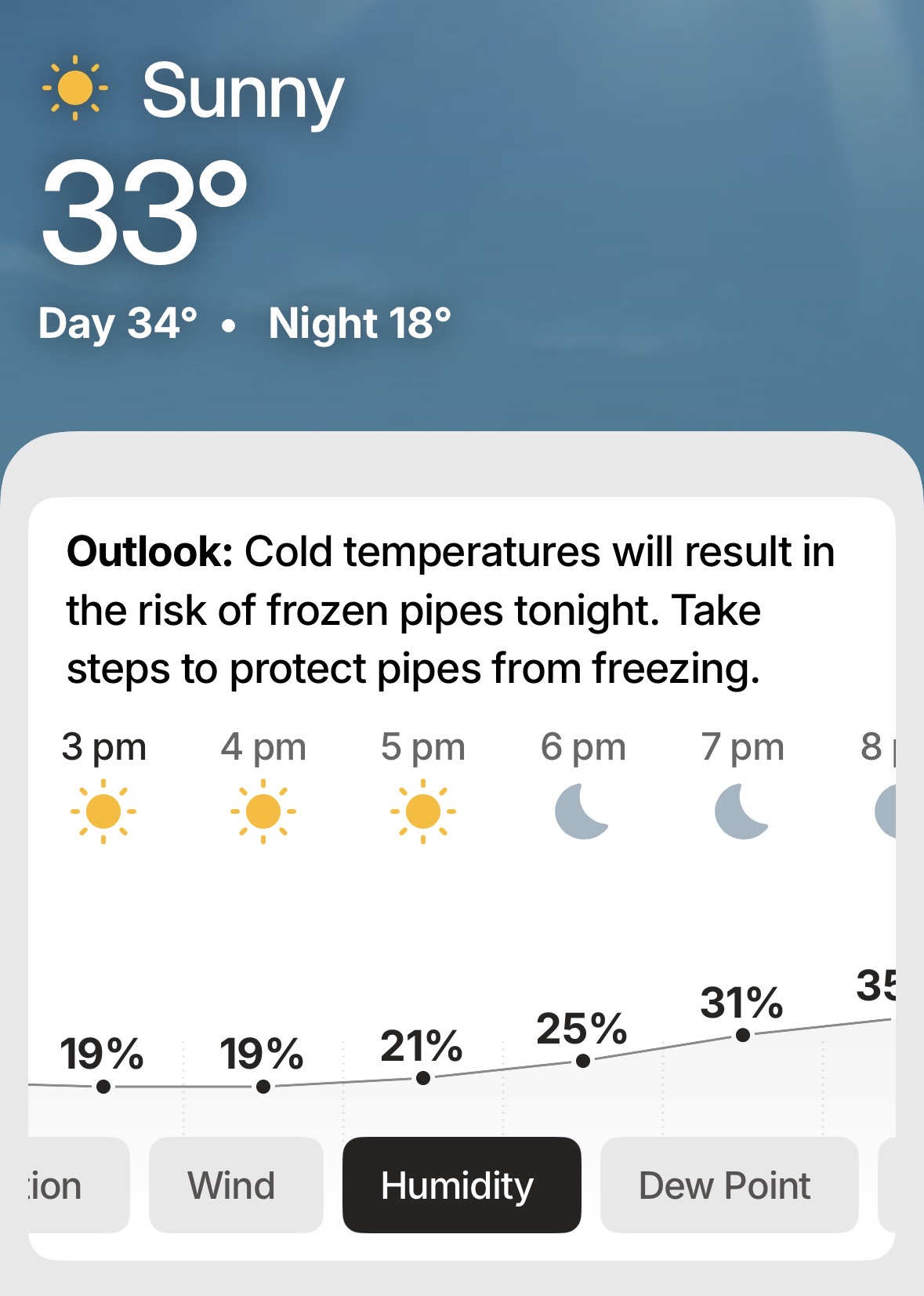
As the temperatures drop in early 2026, many homeowners are noticing familiar winter discomforts: cold drafts near the floor, rooms that never seem to stay warm, and surprisingly dry or uneven humidity levels. Often, the culprit isn’t a broken furnace but a natural phenomenon known as the stack effect.
How the Stack Effect Works
The stack effect, or “chimney effect,” is driven by basic physics: warm air is less dense than cold air, so it rises.
- The Escape: In winter, the warm air you pay to heat rises to the top of your house. If there are gaps in your attic—around recessed lights, plumbing vents, or the attic hatch—this warm air escapes.
- The Vacuum: As warm air exits through the top, it creates a “negative pressure” zone at the bottom of the house.
- The Intake: To equalize this pressure, cold, unconditioned air is sucked in through cracks in the foundation, basement windows, and rim joists.
This creates a continuous loop where your home acts like a giant straw, pulling in cold air from the bottom and exhausting warm air out the top.
How It Affects Indoor Humidity
The stack effect doesn’t just move air; it moves moisture. In the winter, this usually impacts humidity in two ways:
- Drying Out Your Living Space: The cold outdoor air pulled in from the bottom is naturally very dry. As your heater warms this air, its relative humidity drops even further, leading to dry skin, static electricity, and scratchy throats.
- Basement Dampness and Mold: Conversely, if your crawl space or basement has moisture issues, the stack effect can pull damp, musty air into your main living areas. As this air rises and cools in other parts of the home, it can reach 100% relative humidity and cause condensation on walls or windows, potentially leading to mold growth. Always feel crummy in the winter? This is probably why– we get a lot of calls when people first turn on their heat!
How to Be More Comfortable This Winter
You can regain control of your home’s climate by disrupting this vertical airflow.
- Seal the “Hat” and “Shoes”: Focus on the attic and the basement. Use caulk or spray foam to seal gaps around plumbing stacks, electrical wires, and rim joists. Even sealing around the attic access door can be a tremendous help– it’s usually the biggest “hole”. If you have an upper level, putting a draft door cover like this can help keep all of your warm air from escaping up the stairs.
- Crawl Space Encapsulation: If you have a crawl space, sealing it with a vapor barrier prevents the stack effect from pulling in damp earth smells and moisture.
- Weatherstrip Everything: Ensure exterior doors and windows are tightly sealed with weatherstripping to block the “intake” of cold air.
- Manage Humidity Directly: Use room humidifiers to combat winter dryness. Be sure to watch out for excessive condensation around the windows though. Purchase a humidifier that has an easily cleanable water reservoir and clean it regularly. Biofilms of mold and yeast can grow in reservoirs that stay wet consistently.
By addressing the stack effect, you can lower your energy bills by up to 20%, protect your home from mold, and finally stay warm throughout the coldest months.
Want to learn more about the Indoor Air Quality in YOUR home? Schedule a consult today!